W3TS25 Recap: Stablecoins as the Connective Tissue of Digital Finance

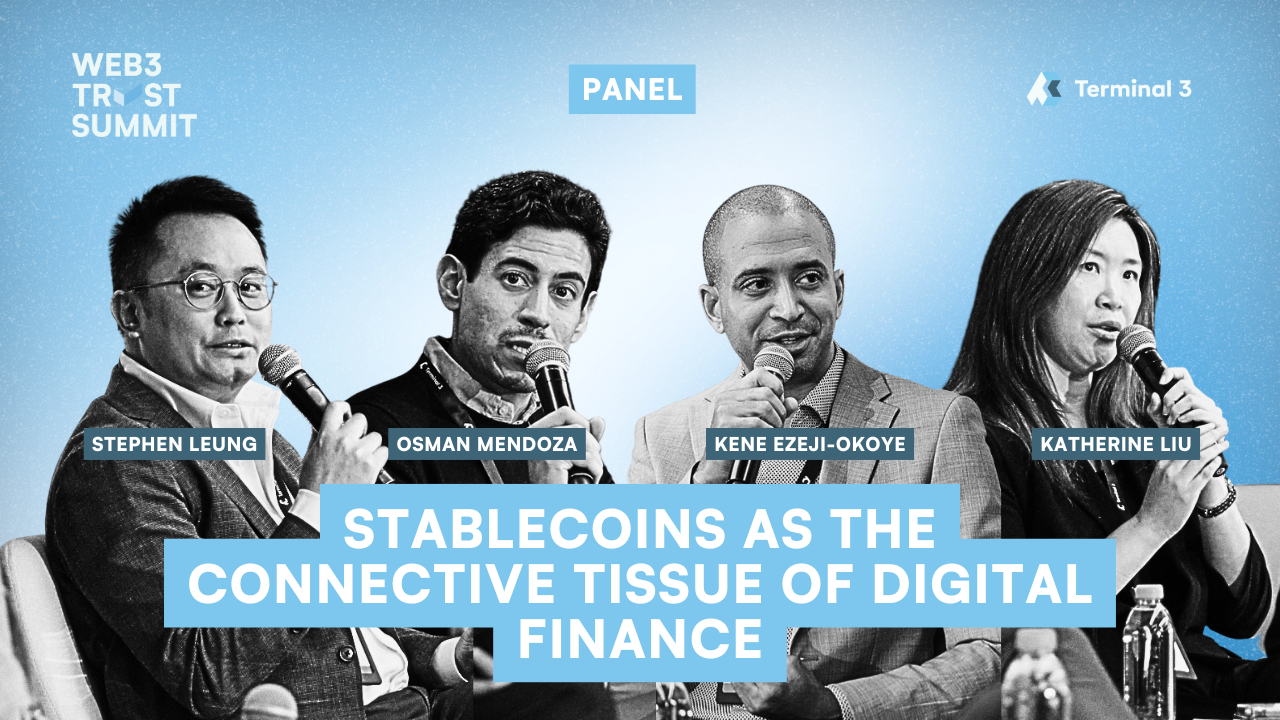
With 11 licensed virtual asset exchanges now operational and the stablecoin licensing regime launched in August, Hong Kong is translating ambitious policy into practical infrastructure. The first panel of the 2025 Web3 Trust Summit examined whether stablecoins truly function as the connective tissue of digital finance.
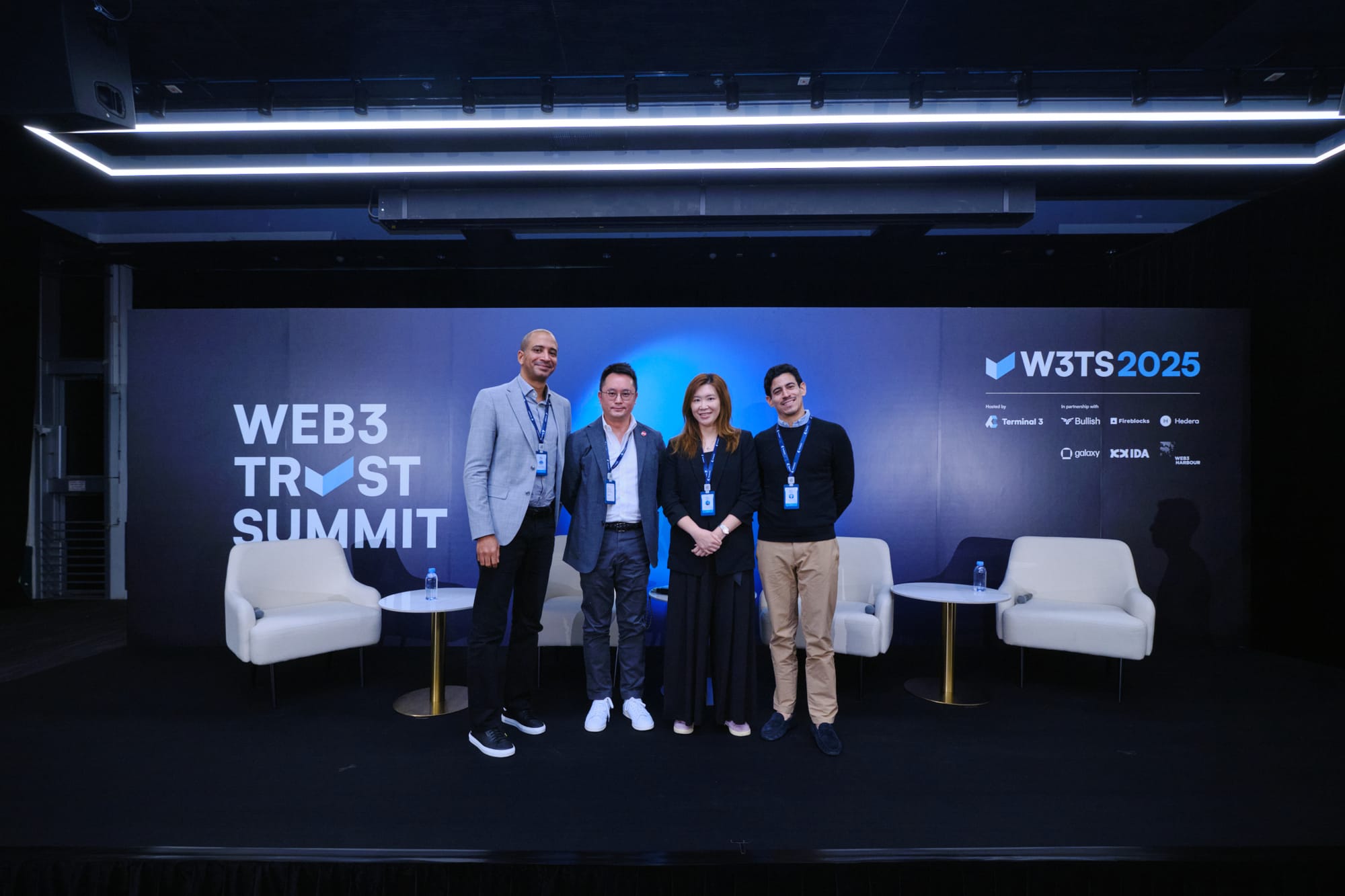
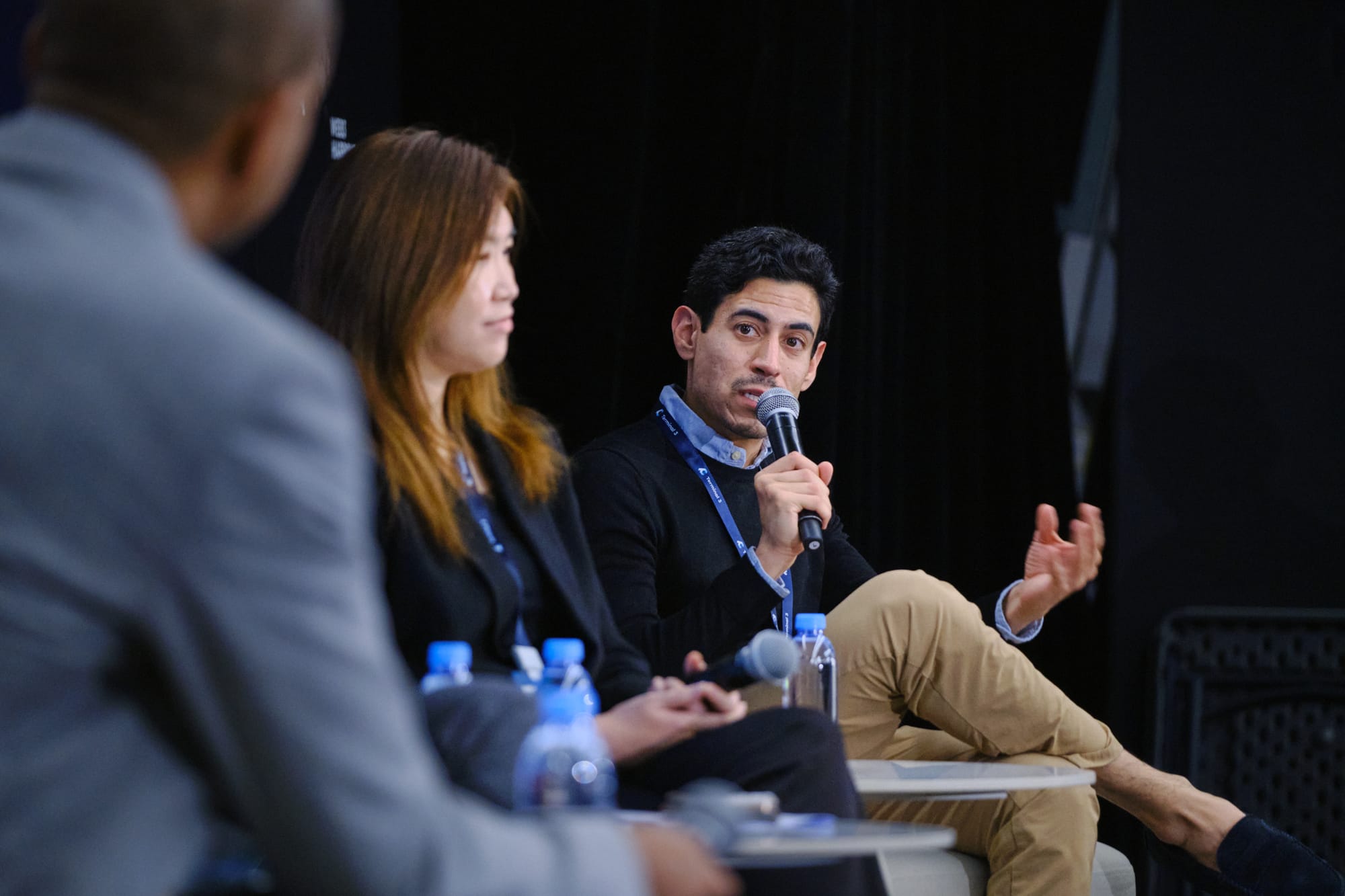
Our opening panelists included:
- Stephen Leung (CEO, IDA)
- Katherine Liu (Partner, Stephenson Harwood)
- Osman Mendoza (Director of Asia, Alfred Pay)
- Moderator: Kene Ezeji-Okoye (Executive in Residence, GDF)
The numbers tell one story. Adoption tells another.
Stablecoin transactions are projected to reach $9 trillion by the year-end, with B2B volumes hitting $30 billion—a significant jump from just two years ago. The technology demonstrably works: payment settlement times have collapsed from days to minutes, freelancers receive instant cross-border payments, and supply chains operate with unprecedented efficiency.
Now, the conversation is quickly evolving beyond technical capabilities to a more fundamental challenge: trust. Traditional businesses moving substantial capital need more than proof of concept. They need confidence that this new infrastructure is reliable, regulated, and permanent.
Regulation as foundation, not friction
Hong Kong's approach offers a blueprint. The stablecoin ordinance establishes clear requirements covering one-to-one fiat backing, segregated reserves, and distribution limited to licensed intermediaries. This creates guardrails without stifling innovation.
The challenge lies in global fragmentation. Redemption timeframes vary wildly across jurisdictions—from one day to five days or undefined periods. Some countries restrict issuance to banks; others allow broader participation. Now, with global trade patterns fundamentally shifted toward China as the dominant trading partner for most countries, how will different monetary systems interoperate?
For an inherently borderless technology, these inconsistencies create operational complexity that undermines the core value proposition. The success of stablecoins as global infrastructure depends less on technology and more on whether governments choose cooperation over fragmentation.
Harmonization doesn't require identical rules, but rather alignment on fundamental principles such as reserve requirements, redemption rights, and transparency standards.
Killer use cases: Treasury management, global trade, and AI
Beyond payments, other transformative use cases are emerging in corporate treasury operations and global trade, where AI integration could automate everything from compliance and liquidity management to logistics.
Ultimately, Leung believes that every country will have their own stablecoins for varied interests, but AI will play a huge role in applying regional rules for stablecoins to operate seamlessly across the world.
The infrastructure is built. Regulation is maturing. The next chapter depends on whether the world builds bridges or walls.