W3TS Recap: Exchanges, Market Makers, and the Future of Digital Assets

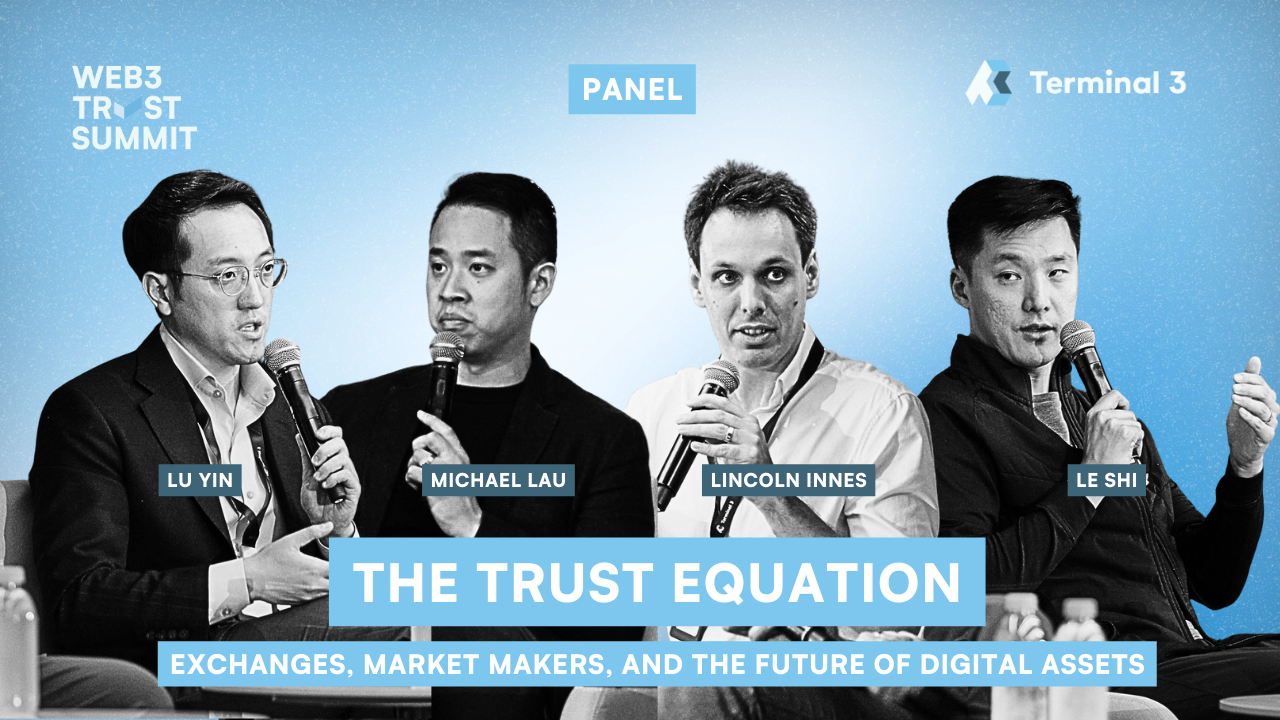
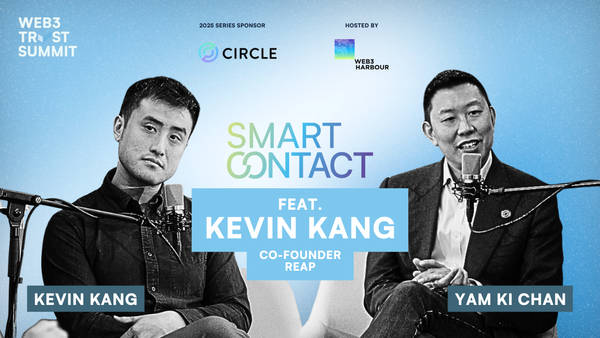
How did the collapse of FTX help the Web3 industry revaluate what really matters in scaling digital assets? At the 2025 Web3 Trust Summit, panelists explored the gap in exchange infrastructure that was exposed by the November 2022 incident, and what technologies are needed to be ready for institutional capital at scale.
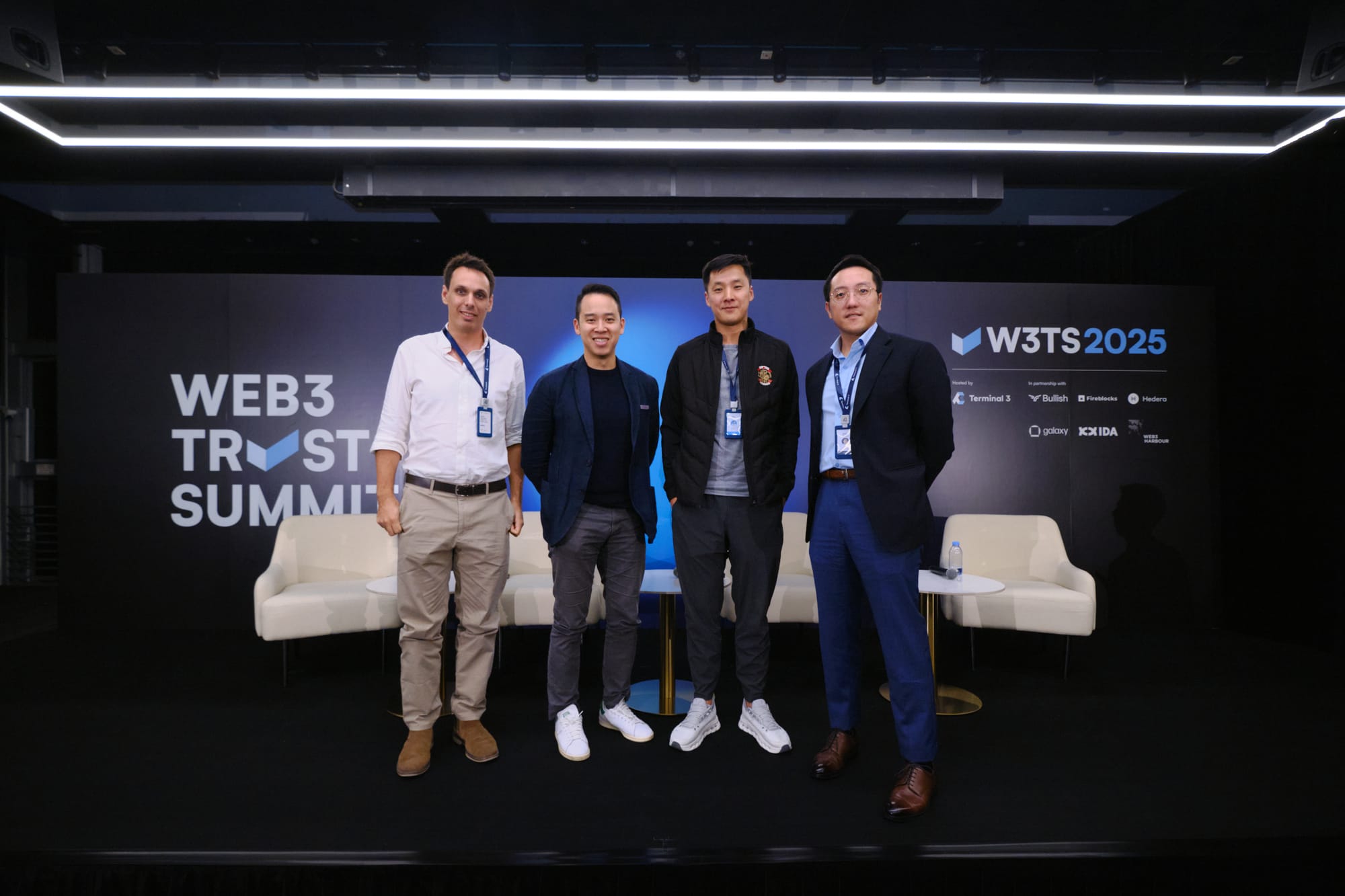
The panel was moderated by Lincoln Innes (Special Projects Team, Web3 Harbour) and brought together:
- Michael Lau (SVP, Group Head of BD, Bullish)
- Le Shi (Managing Director, Auros)
- Lu Yin (APAC Lead, Solana Foundation)
During the session, panelists uncovered an uncomfortable truth: the industry solved the wrong problems first, and now faces a coordination challenge that technology alone cannot fix.
Trust as a sign of market maturity
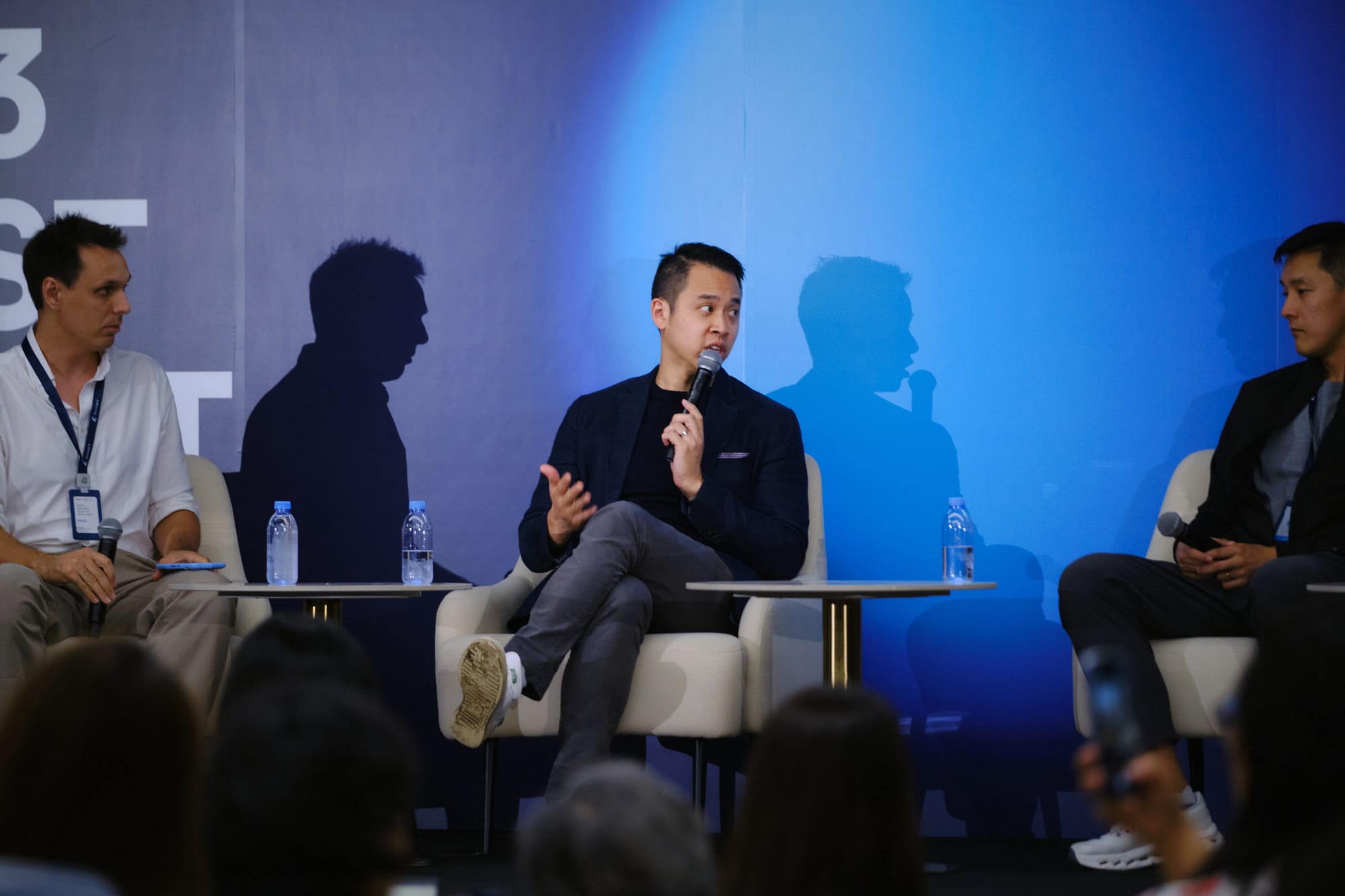
There is a telling contrast in how markets valued trust before and after November 2022. When Bullish launched with regulatory licenses and Big Four audits, the market shrugged. But after FTX, the calculus changed overnight. Michael Lau of Bullish recalled:
“When we started Bullish, we went out telling people, ‘We’ve got this cool exchange and we’re regulated.’ The first thing everyone said was, ‘Can you generate 85% APR?’. Then FTX happened, and suddenly everyone wanted to talk about counterparty risk, proof of reserves, and audits. It was a real validation of our approach to the market.”
In addition to the trust technologies and compliance sytems, Le Shi of Auros also captured the importance of surrounding yourself with trusted people during the industry's reckoning:
"What became very apparent was that it's all about people and the people that you know. If I know these people came from really conservative TradFi backgrounds, I'm going to assume they're not out to scam me."
This represents fundamental maturing. Markets acknowledged that blockchain's transparency doesn't eliminate counterparty risk—it just makes failures more visible and more devastating.
The coordination problem
Trust in counterparties is necessary but insufficient for true scale. Traditional finance, digital asset players, regulators, and market makers all have to converge. Hong Kong exemplifies what happens when coordination is not as efficient as it could be.
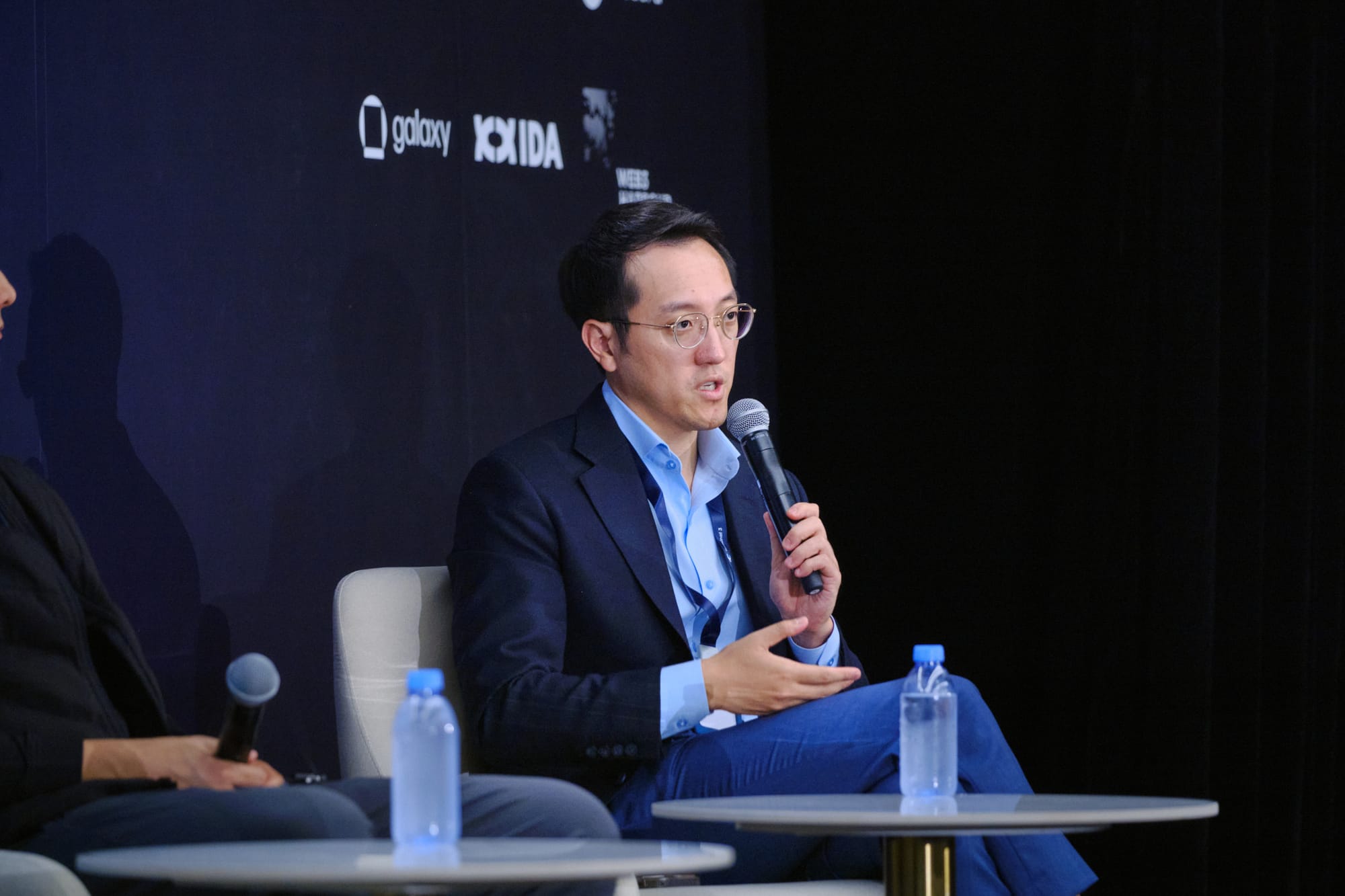
Solana Foundations’ Lu Yin observes:
"Hong Kong has everything. It has every piece for digital asset to take off. It's a coordination problem between regulators, banks and participants."
The city has deep liquidity, sophisticated infrastructure, and progressive regulators—yet friction remains at multiple levels. Lu Yin continues:
"Will people trust your technology? Does it work? Is it decentralized? If AWS goes down, does your chain go down? Were you able to weed out the bad actors?"
Each layer requires different solutions, stakeholders, and timelines.
These challenges are not necessarily Hong Kong-specific. Banks need regulatory clarity before offering services. Regulators need proven business models before writing rules. Businesses need banking rails and regulatory frameworks before building those models. It's a circular dependency that education and dialogue can address, but slowly.
The scale problem nobody wants to discuss
Even if coordination improves, a more fundamental barrier looms. Michael Lau shared a conversation revealing the structural mismatch: sovereign wealth funds looking at crypto see a catch-22. Deploy meaningful capital relative to their balance sheet, and they would dominate the market. Deploy insignificant amounts, and the operational overhead isn't worth it.
Crypto has a meager $3 trillion market cap against the $126 trillion in global equities. For large institutions, there is no middle ground between irrelevant and market-moving, and many believe crypto does not have the market depth capable of absorbing institutional flows without fracturing.
As centralized exchanges embrace regulation and KYC for institutional scale, they solve for institutional trust but sacrifice the financial inclusion that originally attracted users. Those users haven't disappeared—they have migrated to decentralized protocols, creating a bifurcated market where different trust models serve different constituencies.
First-mover advantage in a compressed window
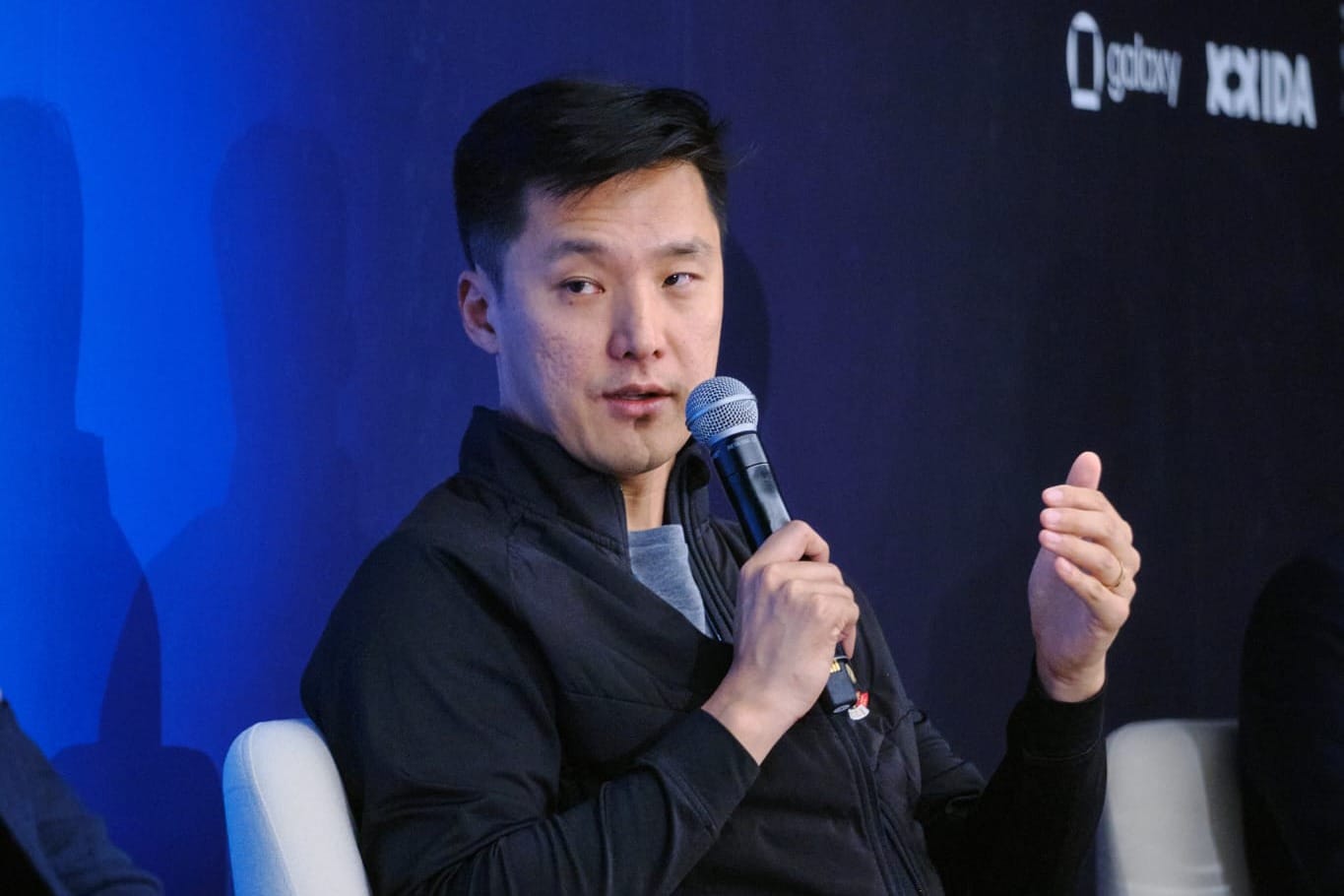
The regulatory landscape is also compressing competitive timelines. As Le Shi observed:
"If I'm an innovator and I see that Hong Kong has come out with a finalized regulatory regime that fits my needs, I'm not going to be waiting around. There is definitely a bit of a race on."
Financial infrastructure has network effects. The jurisdiction that first establishes a workable framework builds ecosystems that are difficult to replicate elsewhere. But, a thriving industry requires decisiveness from all stakeholders that is often hard to achieve.
What actually matters going forward
Looking ahead, the panel converged on different aspects of the same insight. Lu Yin emphasized education and coordination. Le Shi pointed to technology's unique role in enabling new trust mechanisms while acknowledging that longevity—simply surviving and executing consistently—remains the universal trust signal. Michael distilled it to "consistency and competence."
Everyone recognizes that trust in digital asset markets is not a binary state achieved through licensing or technology. It is a continuous process of execution, adaptation, and coordination across traditional and crypto-native systems.
The infrastructure is being built and the regulatory frameworks are emerging. Can key jurisdictions coordinate fast enough to capture the institutional capital that is watching and waiting—or will that capital continue to find reasons to stay cautious?
Where do you see the biggest coordination failures preventing institutional adoption? Reply to share your perspective.